When water freezes it expands, and pressure builds in the pipe between the ice and a closed faucet. That pressure, not the ice itself, is what splits pipes. A burst pipe can release a large amount of water in a short time, so a little preparation before the first hard freeze is worth it.
Key Takeaways
- Pipes in unheated spaces and on exterior walls are most at risk: crawl spaces, attics, garages and under sinks on outside walls.
- Disconnect garden hoses and shut off and drain outdoor faucets before freezing weather.
- During a cold snap, let at-risk faucets drip and open cabinet doors under sinks.
- Know where your main water shutoff valve is before you ever need it.
Which pipes are at risk
- Pipes in crawl spaces, unheated basements, attics and garages
- Supply lines under kitchen and bathroom sinks on exterior walls
- Outdoor hose bibs and sprinkler lines
- Pipes that run through exterior walls with little insulation
Before winter
- Disconnect garden hoses. A hose left attached can trap water in the faucet.
- Shut off and drain outdoor faucets if they have a separate interior shutoff valve. Open the outdoor faucet to let it drain. Frost-free hose bibs are designed to resist freezing, but only when the hose is removed.
- Drain sprinkler systems according to the manufacturer’s instructions or hire a professional.
- Insulate exposed pipes in unheated areas with foam pipe sleeves.
- Seal gaps where cold air enters near pipes, such as around dryer vents and where pipes pass through walls.
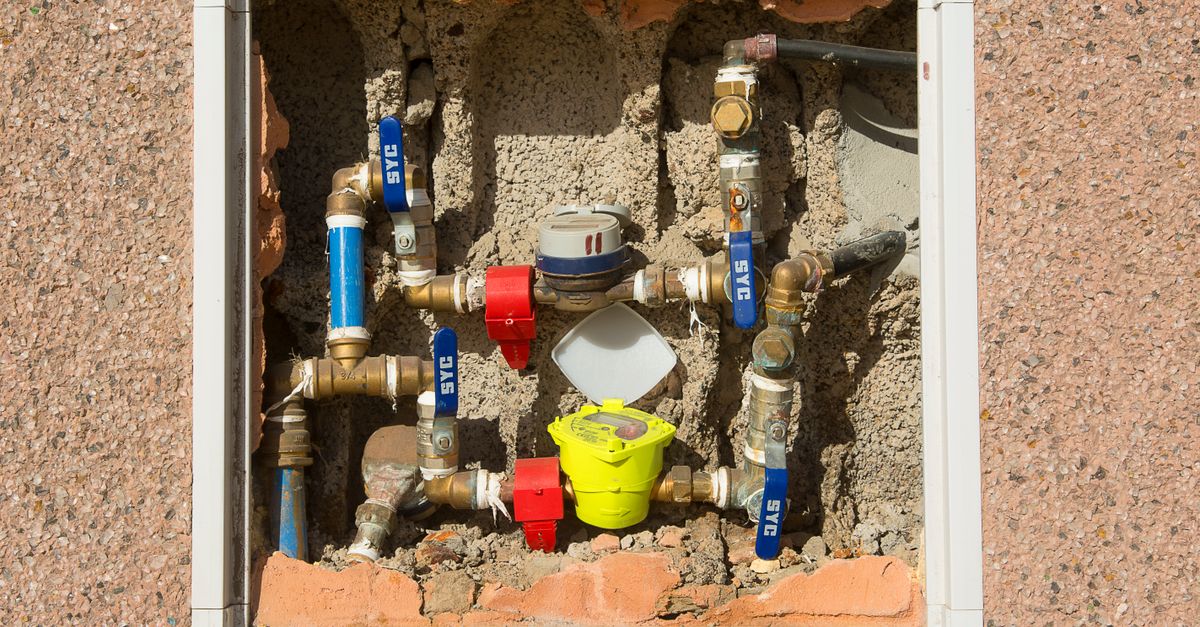
- Find the main shutoff valve, usually where the water line enters the house, and make sure it turns.
During a cold snap
- Let faucets drip on at-risk lines. Moving water is less likely to freeze, and an open faucet relieves pressure.
- Open cabinet doors under sinks so warm air reaches the pipes.
- Keep the thermostat steady, day and night.
- Keep the garage door closed if water lines run through it.
- If you leave home, keep the heat on, often recommended at no lower than about 55°F, and ask someone to check on the house.
Signs of a frozen pipe
A faucet that produces only a trickle or no water when it is freezing outside, frost on a visible pipe, or unusual odours from drains can all indicate a freeze.
Thawing a frozen pipe safely
- Open the faucet so water can flow as the ice melts.
- Apply gentle heat to the frozen section, starting nearest the faucet: a hair dryer, a heating pad, or towels soaked in warm water.
- Keep applying heat until full water pressure returns.
- Check other faucets for additional frozen sections.
Never use an open flame, propane torch or charcoal stove to thaw pipes. They are a fire risk and can damage the pipe.
If you cannot find or reach the frozen section, or cannot thaw it, call a licensed plumber.
If a pipe bursts
- Shut off the main water valve immediately.
- Turn off electricity to affected areas if water is near outlets or appliances, and only if it is safe to reach the panel.
- Call a plumber.
- Photograph the damage and contact your insurance company.
- Remove standing water and dry the area quickly to limit mould.
Longer-term fixes
If a pipe freezes repeatedly, consider adding insulation, rerouting the line away from an exterior wall, or installing UL-listed heat cable designed for pipes, following the manufacturer’s instructions.
Frequently Asked Questions
How cold does it have to be for pipes to freeze? Risk rises when temperatures fall well below freezing, especially for long periods and in uninsulated spaces.
Do I need to drip both hot and cold taps? Dripping both on at-risk faucets helps keep water moving in both lines.
Will homeowners insurance cover a burst pipe? Sudden and accidental water damage is often covered, but damage from neglect may not be. Check your policy.
The bottom line
Disconnect hoses, drain outdoor faucets, insulate exposed pipes and know where your shutoff is. During a cold snap, drip faucets and open cabinet doors. A few minutes of prevention can save thousands in repairs.