Late autumn is the last good window to prepare a house for winter. A weekend of checks now can prevent ice dams, frozen pipes, heating breakdowns and drafts that push up energy bills.
Key Takeaways
- Clean gutters after most leaves have fallen and make sure downspouts direct water away from the foundation.
- Replace the furnace filter and schedule heating system maintenance.
- Seal drafts around doors and windows with weatherstripping and caulk.
- Disconnect hoses, drain outdoor faucets and test smoke and CO alarms.
Outside the house
- Gutters and downspouts: Remove leaves and debris. Check that downspouts discharge several feet from the foundation; add extensions if needed.
- Roof: From the ground with binoculars, look for missing or damaged shingles and damaged flashing. Leave roof repairs to professionals.
- Outdoor faucets and hoses: Disconnect, drain and store hoses. Shut off and drain outdoor faucets if they have an interior shutoff.
- Irrigation: Drain or have the system blown out.
- Exterior caulking: Check around windows, doors and where pipes and wires enter the house.
- Trees: Look for dead branches over the roof, driveway or power lines. Hire a professional for large limbs and anything near power lines.
- Outdoor equipment: Run gas mowers dry or add fuel stabiliser, and store patio furniture.
Heating system
- Replace the furnace filter and keep spares. Check monthly during heating season.
- Schedule professional maintenance for gas furnaces, boilers and heat pumps.
- Test the system before the first cold night.
- Clear space around the furnace and water heater.
- Bleed radiators if you have hot water heat and they are cold at the top.
Chimney and fireplace
Have chimneys inspected annually and cleaned as needed, as the National Fire Protection Association recommends. Check that the damper opens and closes, and store firewood away from the house.
Doors and windows
- Close windows fully and lock them, which pulls the sashes tight.
- Replace worn weatherstripping and add door sweeps.
- Caulk gaps around interior trim.
- Install storm windows if you have them.
Inside
- Smoke and CO alarms: test and replace batteries if needed.
- Ceiling fans: switch to clockwise at low speed to push warm air down.
- Water heater: check for leaks around the base.
- Sump pump: pour water into the pit to confirm it turns on.
- Attic: look for signs of leaks, pests and compressed insulation.
Emergency readiness
- Keep flashlights, batteries, a first-aid kit and water.
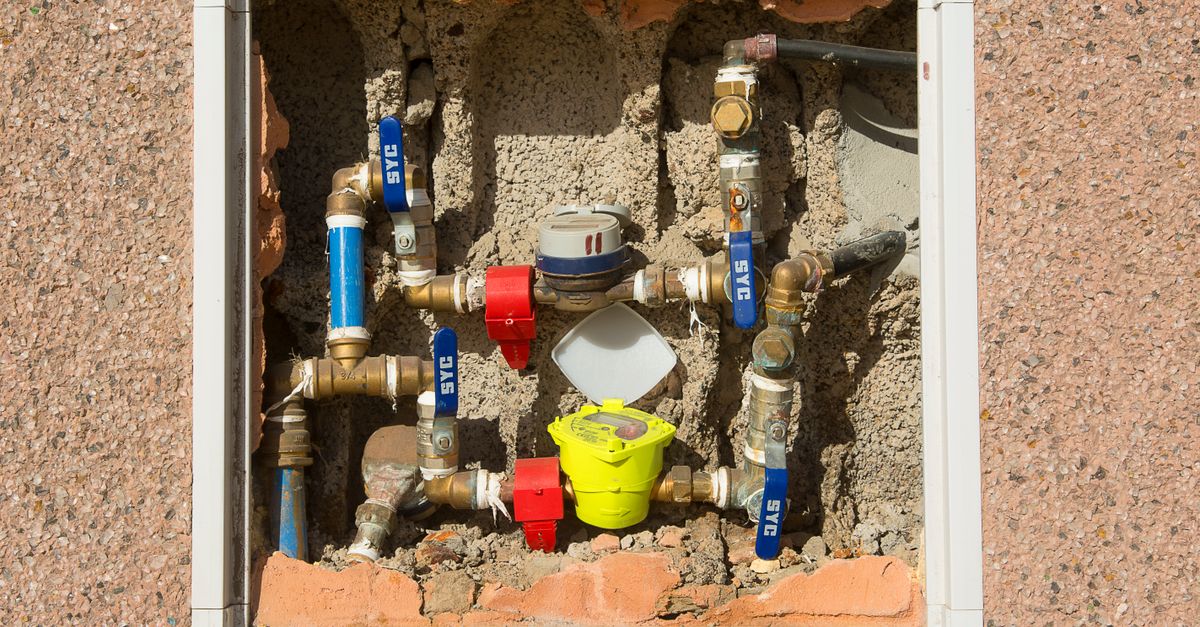
- Know where your main water shutoff and electrical panel are.
- If you use a generator, never run it indoors or in an attached garage; place it outside away from windows and doors.
Snow prep
Have shovels and ice melt ready before the first storm. Check snow blowers and service them if needed.
Frequently Asked Questions
When should I clean gutters? After most leaves have fallen, and again in spring.
How often should I change the furnace filter? Check monthly and replace according to the filter type and manufacturer guidance, often every one to three months.
Do I need professional HVAC maintenance every year? It is widely recommended to keep systems efficient and safe, especially for combustion appliances.
The bottom line
Work through the outside, heating, doors and windows, and safety checks before the first hard freeze. A weekend now prevents expensive surprises later.